Thursday, October 11, 2012

Water- "The Taken for Granted" Resource and our Candidates


The abundance of water, that the Midwest and Michigan is so dearly blessed to have can not be taken for granted. There are several great websites to explore explaining the threats to the Great Lakes and Michigan's great resource: WATER. 

For more information contact: 
      517 353-5508
      231 935-1514
      231 347-1181
      989 257-3583

To you, the reading audience, I continually have tried to inform you about our natural resources that are imploding before our eyes. Water misuse, declining bird and insect populations, land mismanagement and the Phragmite infestation in Michigan wetlands. Like our aging infrastructure,which is necessary so for our pampered lives, water is taken for granted... the clean water we drink and bathe in, the electricity that runs our world and endless supply of food it offers to us.  The systems to protect our precious water are aging and as a country we are not addressing them. Just like how we turn our heads when environmental issues are brought to out attention, Phragmites are destroying our wetlands and they need to be controlled, Asian Carp DNA has been found  in the Great Lakes, so how did that happen, let's do another study?  the infrastructure is in need of repair.

Doesn't that sound like a lot of jobs that could be created? Millions to be spent to save our country, support families and recreate America. Yet we spend MILLIONS to elect a president. Millions that could be used in refurbishing the services and helping to restore our country's natural resources, feed the hungry, save people' homes.  It happens every four years. I can say I am actually ashamed that our candidates are not smarter and wiser and could actually see through this political mess. That would be someone I would be happy to vote for. After viewing this video created by Penn State University, please vote. Don't stop there, get involved with an issue that is near and dear to your heart. Don't let The United States of America implode. God Bless America! God Bless You!


Monday, October 8, 2012

Catching up.....


I came home energized from the presentation at with the Southern Michigan Beautification Council on Thursday, September 20, 2012.  After the presentation, I talked to several people who are just as concerned about Phragmite destruction to our wetlands as I am. Just as frustrated with the lack of concern and response by the people in charge, or who you would think is in charge and would be more concerned and aggressively acting to stop it and eradicate it. There was much discussion of loosing our beaches, wetlands and waterways. Loss of aquatic animals, the quality of our water and the huge fire hazard that it can present to homes, commercial buildings and roadways was discussed also.

This very week I learned a few positive things about Phragmites and I am working on getting more information
  1. There is a woman in Oxford, MI, Deanne Bednar. She actually harvests Phragmites and uses them as building material. Visit her website, Straw bale studio for more information. 
  2. Use Cut Phragmite plants for mulch on trail ways. It is sturdy and durable.
I am meeting with two individuals on the western part of the state October 14th. They have been successful in their communities to remove Phragmites. I will report on that later. 

Until next time, celebrate the fall weather and colors. 

Wednesday, September 19, 2012

Beautification Council of Southeastern Michigan


Thursday, September 20, 2012 I am the Keynote Speaker at the Fall Quarterly Meeting for the Beautification Council of Southeastern Michigan. My topic: Invasive Plant Species Control and Replacing Invasive Plant Species with Native Plants.

One of the key Purposes of  Beautification Council of Southeastern Michigan  is:

  • Restore, Preserve and Enhance the beauty of Southeastern Michigan. 
One of the Goals of BCSEM is: 
  • develop a sense of civic pride and citizen responsibility. 
These items are the basis of my presentation. I hope to challenge the Councils to become as passionate as I am about removing the invasive destructive Phragmite australis from our area and to help restore the native plant populations. "To Own" the challenge and develop through education in their communities a civic pride and citizen responsibility to go forward and shift their attack to the numerous local invasive and alien ornamental plants. Then to help Restore the native communities of plants, shrubs and trees that support their insect, bird and animal populations.  


I am being joined by Ron Cousineau and Mike West from Upper Long Lake and Patrick Nagy from the Village of Wolverine Lake who are speaking on non-chemical alternatives to Phragmite control. These gentlemen have had various levels of success with removing Phragmites with out chemicals.

                                                             Spreading the word!          

Monday, September 17, 2012

"Birmingham In Stitches"

'Feed Me' Parking meter 


I am not always out looking for Phragmites, or attending seminars that keep me updated with the latest information on Phragmite removal or another invasive and how it is impacting our environment. Sometimes, I need to feed my creative soul.  I am a knitter. Taught by my grandmother, I have been knitting for over 50 years. It gives me joy and is less expensive than therapy.... though that can be debated. I do have an awful lot of yarn, buttons and various embellishments in my stash. Doesn't everybody?

 "Birmingham in Stitches" was an event that I participated in on Saturday, September 15th. Yarn bombing as it is called originated in May 2004 in Den Helder, Netherlands. Various interpretations have been cited throughout Europe, Australia, Canada and the United States just to mention a few places.Women in Fargo, North Dakota, were yarn bombing this weekend also, according to my daughter, Julie, who lives there.

My son, Bill, sent to me pictures of  a Yarn Bombing that was taking place in Anderson Park, Redmond Washington this last winter. It was really the first I had ever heard about it, so when the Knitting Room in Birmingham Michigan mentioned that they were part of a project for the downtown Birmingham area, I was in. I committed to knitting two parking meter post covers.

Margaret and Cathy
Clown Lamp post cover
Melanie and Me with her Pom Pom
Meter post cover.
When Saturday arrived, 10 ladies from the Knitting Room arrived early and started to install all the beautiful and very creative pieces on Merrill Street. Curiosity abounded from the Saturday morning pedestrian traffic, including the four-legged variety.
Beautiful Garbage Can

Connie working on a meter post
Pom Pom Meter post

Left Back Row: Julie, Bernie, Connie, Connie, Melanie, Pam
Front Row: Margaret, Kathy, Myself and Carol
                                                                      Fun was had by all!

Wednesday, September 12, 2012

Sierra Club Rochester ECOS

Phragmites and their impact on the wetlands!


Thursday, September 13, 2012 at 7PM.  I am the guest speaker for the Rochester Hills/Rochester Sierra Club ECOs. They are part of the Sierra Club Great Lakes Program. The club promotes several environmental causes, although their main focus is water quality and protecting the Great Lakes.

The club offers free monthly lectures at Whole Foods located at 2918 Walton Blvd, Rochester Hills.

My am speaking on "Phragmites and their impact on the Wetlands".
You can contact Italia Millan
Chair/Volunteer Leader
rochesterecos@gmail.com. for more information.
Visit Sierra Club Rochester ECOs Group at http://www.meetup.com/RochesterECOs/.

Hope to see you there.

Linda

Thursday, August 23, 2012

Monarch Watch Release, Proud Lake, Michigan


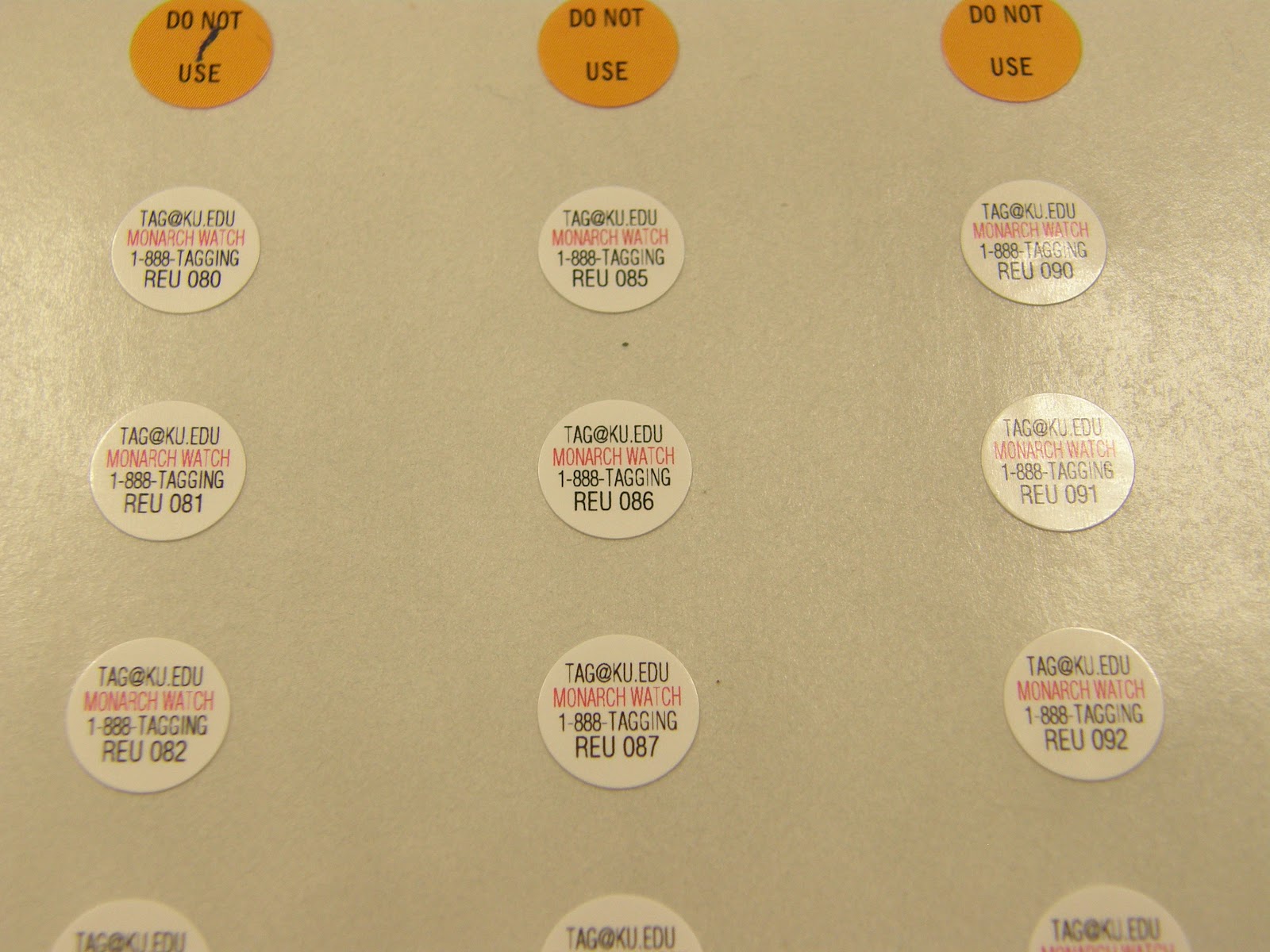
The group drove from the library to Proud Lake, horse staging area, and there was a whole field of Milkweed. Butterflies of several varieties were flying around. While the children were having a fun running through the fields after butterflies, Diane was setting up the release station. She called in the children to start with the tagging, she showed us the tags. Each tag number could be traced back to give the information about the sex, where they were raised, if wild or  hand raised and where they were released. If found the person can call the number and give the tag number so the University can track the where abouts of the Monarchs.


Enjoy this video of a child experiencing the joy of releasing this beautiful Monarch butterfly. 


The people of Mexico, where the butterflies end their journey before returning back to the United States, collect the butterfly tags off the butterflies that die throughout the winter and fall on the ground. The University and the Conservation Stewards, pay 50 pesos for each tag. To the people of the small Mexican town, this is a source of income. The logging of the trees where the butterflies roost is no longer legal, so the butterflies are able to have a safer haven to return to in their Mexican town. 


Just before I left, this beautifully tagged Monarch, returned to the releasing station, as if to say goodbye. Goodbye, adios beautiful lady. Safe travels.

If you would like more information on the Monarch Watch, please go to their website. Plant a milkweed or necture plants to help keep this beautiful butterfly around for generations to come.

Remember the caterpillar I found on my Milkweed? Well, it is now a beautiful butterfly. I named her Lucille. I wish her safe passage to Mexico.

Tuesday, August 21, 2012

Monarch Watch and a Beautiful Saturday Afternoon

Diane explaining to me how to tag the butterfly.

My posting of August 10, 2012, ten days ago I am embarrassed to say, brought some attention. The reason I have been remiss on posting is that for the last 10 days, I have had daily, non stop,  an event or an engagement concerning Phragmites and their removal or another gardening or butterfly opportunities to attend. So, this is the catch up of the events. 


As I was saying, I posted, again, about the Monarch Watch. I received an email from a fellow daylily member of the Southern Michigan Daylily Society and in the subject line it stated: "Monarchs not Daylilies" from Diane Pruden. I had actually just seen Diane the day before at the Daylily Picnic. I never knew she was involved in Monarchs. She said she is a Conservation Specialist with Monarch Watch. She raises Monarch on her 1 1/2 acre property, of which some of it is planted in Milkweed, or Asciepias incarnata,  a food source, from egg to mature Monarch. She has traveled to Mexico and witnessed the Monarch migration. 


She explained that she was giving a talk at the Milford Public Library would I like to come. Well, she didn't have to ask me twice, I was there with cameras and tripod in tow. 


Diane explaining about the Monarch
Watch program.

When I arrived, already the tables were filling with families ready to learn about the beautiful butterfly. Diane explained about the organization and how we as citizens can help with the Way stations to help feed the Monarch along their long journey from Michigan to Mexico. According to Monarch Watch, because of loss of Milkweeds and nectar plants due to development and the widespread use of herbicides in croplands, pastures and roadsides, the Monarch numbers are decreasing. Monarch Watch is the work of Dr. Chip Taylor, University of Kansas and it's purpose is to engage citizen scientists to spread education, conservation and research through out the communities along the Monarch's flyways. Through our efforts to ensure the preservation of the species this unique phenomenon of the Monarch migration will continue. It is world wide, the United States has the furthest distances for the butterflies to fly each way. Creating a Way station can be as simple as adding milkweed and nectar plants to our existing gardens. 

 Diane brought several different examples of flowers that a citizen scientist can plant in their yard for the adult Monarchs to feed on once they have emerged from the chrysalis. She passed around Milkweed laden with chrysalises,(can you count the number on the stalk?), Cone flowers, Phlox, Butterfly Bush, Zinnias and Mexican Milkweed can be planted to attract several varieties of Butterflies. Diane explained that there are 3 types of Milk weeds in Michigan, Common Milkweed, Swamp Milkweed and Butterfly Milkweed.  There is Latex in the milky substance in the plant and the caterpillar absorbs this and tastes terrible to any one that tries to eat it. The caterpillar also knows how much it can eat without over doing because the latex makes it sleepy. 
She brought caterpillars for the each of the audience members to see and observe. The explanation of the metamorphic process was explained to the amazement of  us all. In a matter of 14 + days from caterpillar to adult butterfly. She taught us how to identify if the butterfly is a male or female, by a black spot on the veining on the wing. The spot means a male. She showed us how to tag the Butterflies to identify where they started their journey when and if they are found again. It takes a Monarch about 2 months to fly to Central Mexico. 

The group then proceeded from the Milford Library to Proud Lake, the horse staging area to tag and release the butterflies that Diane collected from the eggs she raised. Look for these pictures and video on Thursday.